

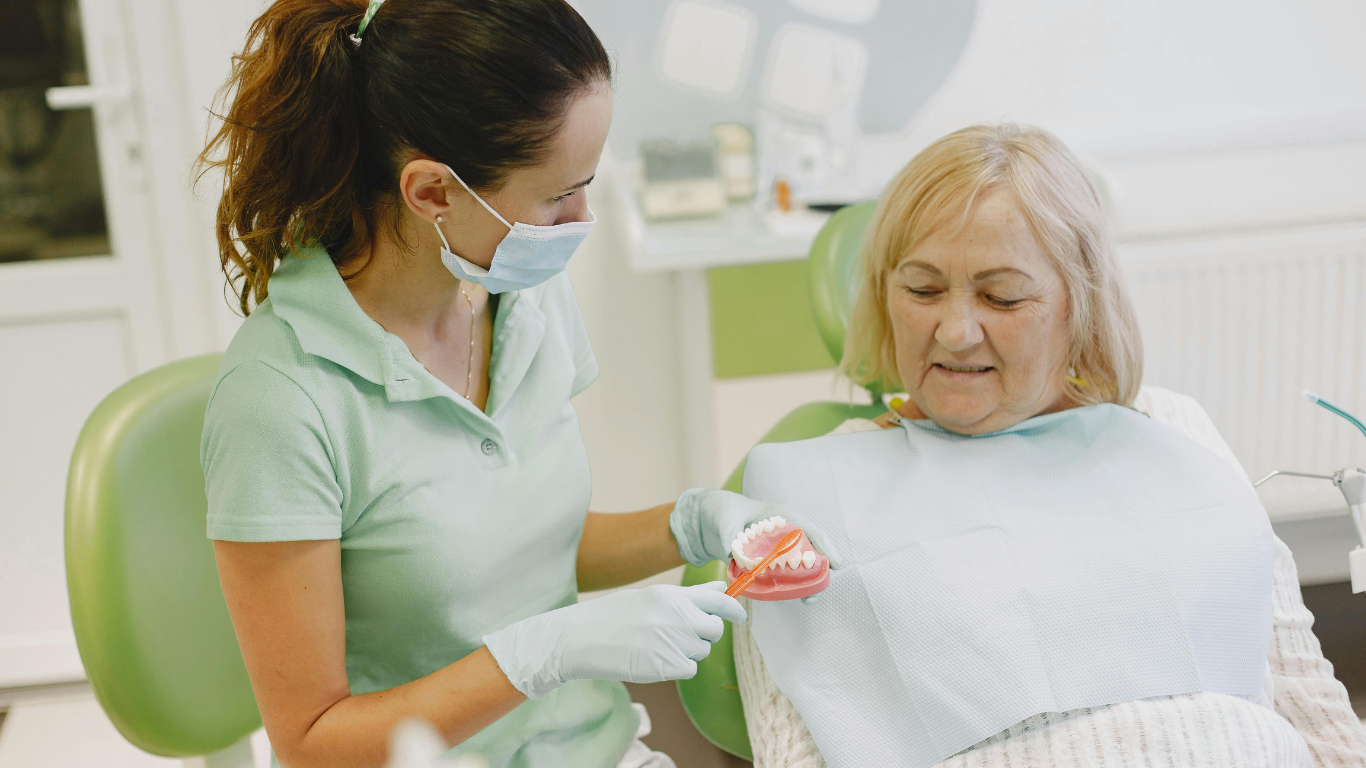
Dentures are designed to handle the demands of everyday life. From breakfast in the morning to conversations over dinner, denture teeth are used repeatedly throughout the day. Although modern denture materials are made with durability in mind, they are not immune to wear. Over time, the surfaces of denture teeth can gradually change, and those changes may influence much more than the appearance of a smile.
At Lima Denture and Implant Solutions, we help patients throughout Ottawa, Perth, Carleton Place, Smiths Falls, Kanata, Stittsville, Lanark County, and surrounding communities understand how their dentures change with everyday use. Denture tooth wear can develop so gradually that a patient may not notice it immediately. Instead, the first clues may appear during meals, conversations, or other everyday activities.
Understanding why denture teeth wear down and recognizing changes in function can help patients know when it may be time for a professional assessment.
Denture Teeth Work Hard Every Day
Think about how many times the teeth come together during an ordinary day.
Every meal involves repeated chewing movements. Snacks add more. Speaking and swallowing also involve coordinated jaw movements, and some people may clench or grind their teeth without realizing it.
Over months and years, these repeated contacts place normal wear on denture teeth.
The amount and pattern of wear can vary significantly from one person to another. Factors such as eating habits, jaw movement, denture materials, bite relationships, and how long the dentures have been worn can all influence the process.
For this reason, denture wear should be evaluated individually rather than according to a single timetable.
Denture Wear Usually Happens Gradually
One reason denture tooth wear can be difficult to recognize is that it typically develops slowly.
There may not be a particular morning when a patient suddenly realizes the teeth are worn. Instead, small changes accumulate over time.
A person may gradually notice that:
- Certain foods require more effort to chew
- The bite feels different
- Meals take longer
- The dentures seem to move more
- The jaw feels tired after eating
- Facial appearance has subtly changed
Because the changes are gradual, patients may adapt their behaviour without consciously recognizing the reason.
Someone may start choosing softer foods or chewing differently and simply assume these changes are a normal part of wearing dentures.
A professional evaluation can help determine whether denture wear is contributing.
What Causes Denture Teeth to Wear?
Normal chewing is one of the primary reasons denture teeth experience wear, but several factors can influence how quickly or unevenly that wear occurs.
These may include:
- Years of daily use
- Individual chewing patterns
- The types of foods regularly eaten
- Bite relationships
- Clenching or grinding habits
- The materials used in the dentures
- Changes in how the dentures fit
Denture wear is not necessarily a sign that someone has cared for their dentures incorrectly. It can simply be part of normal long-term use.
What matters is recognizing when that wear begins affecting comfort or function.
Worn Teeth May Make Chewing Less Efficient
Denture teeth are shaped to help process food.
As their surfaces gradually wear, their ability to perform this task may change.
A patient might notice that foods once managed comfortably now require additional chewing. Firmer foods may become more challenging, or meals may simply feel like more work than they used to.
For patients in Ottawa and Kanata, these changes can sometimes be dismissed because the dentures are not painful. However, absence of pain does not necessarily mean dentures are functioning as effectively as they should.
Changes in chewing efficiency are worth discussing during a professional denture assessment.
Food Choices Can Begin to Change
When chewing becomes more difficult, patients often adapt their diets.
They may begin avoiding foods such as:
- Raw vegetables
- Certain fruits
- Firmer meats
- Nuts
- Crusty breads
- Foods requiring prolonged chewing
Some dietary changes are perfectly reasonable, but repeatedly avoiding foods because dentures no longer manage them comfortably may indicate that denture function should be assessed.
Nutrition is an important part of overall wellbeing. Dentures should support a varied diet as effectively as reasonably possible for the individual patient.
Patients throughout Perth, Carleton Place, and Smiths Falls who find themselves steadily reducing the variety of foods they eat may benefit from discussing those changes with a denture professional.
Wear Can Change the Way the Bite Feels
Denture teeth are designed to meet in a particular relationship.
As chewing surfaces wear, that relationship may gradually change.
Patients might notice:
- Teeth contacting differently
- One side feeling stronger
- A different jaw position when closing
- Difficulty finding a comfortable chewing position
Changes in bite relationships can also interact with changes occurring in the gums and underlying bone.
For this reason, examining worn denture teeth involves looking at the entire denture system rather than focusing only on individual teeth.
Dentures May Become Less Stable During Meals
Denture stability depends on several factors, including fit and the way chewing forces are distributed.
When tooth surfaces change, the forces generated during chewing may also change.
A patient may begin noticing that a denture:
- Rocks while chewing
- Lifts on one side
- Shifts with certain foods
- Feels less predictable during meals
These symptoms can have several causes, including changes in fit, so they require professional assessment.
Rather than automatically increasing adhesive use or avoiding difficult foods, patients can have the underlying cause evaluated.
Worn Denture Teeth Can Influence Facial Appearance
Dentures do more than replace teeth. They also contribute to facial support.
The position and dimensions of the teeth help support the lips and lower portion of the face.
Over time, significant denture tooth wear may contribute to changes in how the lower face appears. These changes can be subtle and may develop alongside natural changes in oral tissues and facial structures.
A patient might notice differences in:
- Lip support
- The appearance of the smile
- Lower facial proportions
- How much tooth shows while smiling
Because facial changes have many possible causes, professional evaluation is important before assuming worn dentures are responsible.
Speech May Feel Different
Dentures and the tongue work closely together during speech.
The position and shape of denture teeth help create familiar spaces used to form certain sounds.
When dentures change significantly through wear or altered fit, some patients may notice differences in speech.
These may include:
- Clicking sounds
- Changes in pronunciation
- Increased awareness of denture movement
- Difficulty with particular sounds
Not every speech change is caused by denture wear, but a new or persistent difference is worth mentioning during an assessment.
Jaw Muscles May Work Differently
When chewing efficiency decreases, patients may unconsciously change the way they use their jaw.
They may chew longer, apply more force, or favour one side.
These compensations can sometimes contribute to muscle fatigue.
A patient may notice the jaw feels tired after a long meal or at the end of the day.
Persistent jaw discomfort should always receive appropriate professional attention because there are many possible causes. A denture assessment can help determine whether denture fit, wear, or bite relationships may be contributing factors.
Looking at Dentures Is Not Always Enough
Patients sometimes inspect their dentures and conclude that everything is fine because there are no obvious cracks or broken teeth.
However, functional wear can be subtle.
A denture can remain intact while the chewing surfaces have changed considerably.
Professional evaluation provides an opportunity to examine:
- Tooth wear
- Denture fit
- Bite relationships
- Stability
- Oral tissues
- Overall denture condition
This broader assessment provides much more information than appearance alone.
For patients in Stittsville and Lanark County, routine assessments can help identify gradual changes that might otherwise go unnoticed.
Can Worn Dentures Simply Be Adjusted?
Sometimes an adjustment may help address a particular concern, but not every worn denture can or should be managed the same way.
The appropriate recommendation depends on several factors, including:
- How much wear has occurred
- The condition of the denture base
- Current fit
- Bite relationships
- Oral tissue changes
- Patient comfort
- Overall denture age and condition
Some patients may benefit from an adjustment or reline, while others may eventually benefit from replacement.
A professional evaluation helps determine which approach is appropriate for the individual situation.
Why Patients Should Avoid DIY Repairs
When dentures feel different, some patients may be tempted to modify them at home.
Filing teeth, sanding surfaces, bending components, or using household repair products can damage dentures and alter important relationships within the bite.
A seemingly small change can affect:
- Tooth contact
- Denture stability
- Pressure distribution
- Fit
- Overall function
Professional adjustments are performed with an understanding of how changes to one area may influence the entire denture.
If something feels wrong, professional assessment is safer than attempting to correct it at home.
When Should Worn Dentures Be Professionally Evaluated?
There is no need to wait until dentures break.
Patients should consider arranging an assessment when they notice persistent changes such as:
- Increased difficulty chewing
- A noticeably different bite
- Denture movement
- Frequent sore areas
- Jaw fatigue
- Changes in speech
- Reduced facial support
- Increasing dependence on denture adhesive
- Visible flattening or wear of the denture teeth
These signs do not automatically mean new dentures are required.
They simply indicate that the dentures and oral tissues should be professionally evaluated.
Regular Assessments Help Track Gradual Changes
Because denture wear develops over time, periodic professional evaluations can be valuable even when no major problem is present.
These appointments allow changes to be compared and monitored.
At Lima Denture and Implant Solutions, we look beyond whether dentures are simply intact. We consider how they are performing in everyday life and whether changes in fit, tooth wear, bite, or oral tissues may be influencing the patient’s experience.
This approach is especially valuable for long-term denture wearers who may have gradually adapted to changes without realizing it.
Dentures Should Support Everyday Life
Successful dentures are not only about having a complete-looking smile.
They should support important everyday activities such as:
- Eating comfortably
- Speaking confidently
- Smiling naturally
- Spending time with family
- Dining socially
- Maintaining an active lifestyle
When worn denture teeth begin interfering with those activities, it is worth finding out why.
Small changes in function can sometimes provide the earliest indication that dentures need professional attention.
Personalized Denture Care Across the Region
Every patient’s experience with denture wear is different.
Some people may wear dentures for years with relatively gradual changes. Others may experience functional changes sooner because of individual anatomy, bite patterns, oral tissue changes, or other factors.
That is why personalized assessment is important.
At Lima Denture and Implant Solutions, we proudly provide denture care for patients throughout Ottawa, Perth, Carleton Place, Smiths Falls, Kanata, Stittsville, Lanark County, and surrounding communities.
We evaluate each patient’s current dentures, oral tissues, comfort, and functional concerns before discussing appropriate options.
Final Thoughts
Denture teeth are used thousands of times during ordinary daily life, so gradual wear is expected. What matters is recognizing when that wear begins changing the way dentures perform.
Difficulty chewing, changes in food choices, an unfamiliar bite, increased movement, jaw fatigue, speech differences, or changes in facial support can all be reasons to arrange a professional assessment.
Patients do not need to wait for their dentures to break before seeking help.
By paying attention to subtle changes and maintaining regular professional care, denture wearers can make informed decisions about adjustments, relines, maintenance, and eventual replacement when appropriate.
Schedule a Professional Denture Assessment
If your denture teeth appear worn or eating, speaking, or smiling no longer feels as comfortable as it once did, Lima Denture and Implant Solutions can help evaluate what has changed.
Our team provides personalized denture care focused on comfort, function, and long-term oral health.
Phone: (613) 728-5532
Website: www.dentureclinicottawa.com
Email: limadentures@gmail.com
We proudly serve patients throughout Ottawa, Perth, Carleton Place, Smiths Falls, Kanata, Stittsville, Lanark County, and surrounding communities.
Schedule a professional denture assessment and let us help determine whether everyday wear is affecting the way your dentures work for you.

