

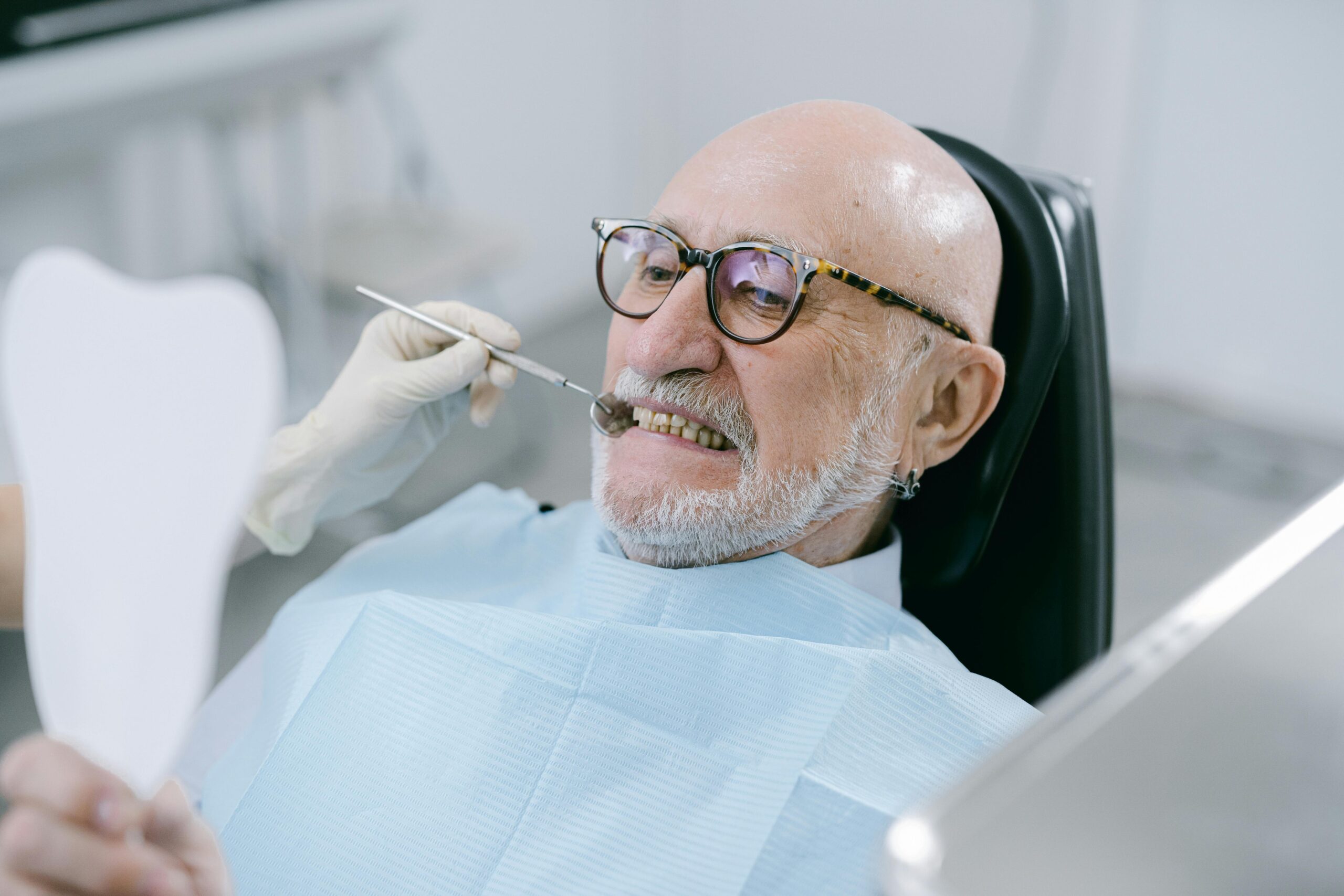
When people think about whether their dentures fit properly, they often focus on whether the dentures feel loose or cause sore spots. Those are important signs, but another part of denture comfort can sometimes be overlooked: the bite.
The way upper and lower denture teeth meet can influence chewing, stability, comfort, speech, and even how the jaw muscles feel at the end of the day. A denture may appear to sit reasonably well on the gums while the bite itself has gradually become less balanced.
At Lima Denture and Implant Solutions, we provide personalized denture care for patients throughout Ottawa, Perth, Carleton Place, Smiths Falls, Kanata, Stittsville, and Lanark County. We understand that comfortable dentures depend on more than appearance. Fit, stability, bite relationships, oral tissues, and everyday function all need to work together.
Because the mouth and dentures can both change over time, paying attention to changes in the bite can provide valuable clues about when a professional denture assessment may be helpful.
What Does “Bite” Mean for a Denture Wearer?
The bite describes how the upper and lower teeth come together when the mouth closes and during chewing.
With natural teeth, the bite is influenced by the position of the teeth and supporting structures. With complete or partial dentures, the relationship between the artificial teeth and the tissues supporting the dentures also becomes important.
Ideally, chewing pressure should be distributed in a way that supports comfortable function and denture stability.
When that relationship changes, a person may notice that one side touches first, chewing feels different, or the dentures move in ways they did not before.
These seemingly small changes can provide useful information about how the dentures are functioning.
Why Can a Denture Bite Change?
Dentures do not exist independently from the mouth beneath them.
The gums and underlying bone can gradually change after teeth are lost. These changes may continue over time, even when dentures have been worn successfully for years.
As the supporting tissues change, a denture can settle differently than it once did. This may alter the way the upper and lower denture teeth meet.
Normal wear of the denture teeth can also contribute. Years of chewing can gradually change the surfaces that contact one another.
The result may be a bite that no longer feels as balanced as it did when the dentures were newer.
One Side May Begin Touching First
One possible sign of a changing bite is feeling that the teeth on one side meet before the other side.
A patient may close the mouth and notice pressure primarily on the right or left.
This can lead to compensating behaviours, such as chewing predominantly on the opposite side or moving the jaw differently to find a more comfortable position.
Over time, these habits may become so familiar that the person no longer realizes they are doing them.
Patients in Ottawa, Kanata, and Stittsville who notice a change in where their teeth first make contact may benefit from having the bite professionally assessed rather than simply adapting to the difference.
Dentures May Rock During Chewing
A changing bite can sometimes contribute to denture movement.
If chewing pressure is concentrated unevenly, one part of the denture may lift while another part is pushed downward.
The patient may describe the denture as:
- Rocking during meals
- Tilting when biting
- Moving with certain foods
- Feeling less predictable when chewing
- Becoming uncomfortable on one side
Movement does not automatically identify the cause. Denture fit, tissue changes, bite relationships, and other factors can all contribute.
That is why a professional assessment is important when stability changes.
Jaw Fatigue Can Be an Important Clue
Some denture wearers experience tired jaw muscles without immediately connecting the sensation to their dentures.
If a patient repeatedly adjusts the jaw to compensate for an uneven bite, the muscles involved in chewing may be working differently.
Someone may notice fatigue after:
- A long meal
- Chewing firmer foods
- Talking for extended periods
- Wearing dentures throughout the day
Persistent or unexplained jaw discomfort should be professionally evaluated rather than assumed to be a normal part of wearing dentures.
A denture assessment can help determine whether fit or bite factors may be contributing.
Changes in Chewing Deserve Attention
A balanced bite helps dentures perform their primary functional role: helping a patient chew food.
When the bite changes, some foods may suddenly become more challenging.
A person might begin cutting food into smaller pieces, avoiding certain textures, chewing more slowly, or relying heavily on one side of the mouth.
These adaptations can happen gradually.
Someone living in Perth or Carleton Place, for example, may not think much about avoiding a favourite food. However, when several foods are being eliminated because chewing no longer feels dependable, it may be time to examine how the dentures are functioning.
Eating habits can reveal a surprising amount about denture performance.
Clicking Can Sometimes Signal Movement
Occasional sounds from dentures can occur for different reasons, but repeated clicking while speaking or eating may warrant attention.
Clicking can sometimes accompany movement or changes in how the denture teeth contact one another.
It may become particularly noticeable during:
- Conversation
- Chewing
- Laughing
- Quick jaw movements
Rather than trying to change the way they speak or move their jaw, patients should consider having the dentures evaluated if a new or persistent clicking sound develops.
Bite Changes May Affect Denture Stability
Fit and bite are closely connected.
Even a denture that appears reasonably secure while the mouth is resting can behave differently once chewing forces are introduced.
During a meal, pressure moves from one area to another. If those forces are not distributed appropriately, the denture may become less stable.
This is one reason professional denture assessments involve more than simply asking whether a denture feels loose.
At Lima Denture and Implant Solutions, we consider how dentures function during everyday use, not only how they sit when the jaw is still.
Uneven Pressure Can Affect the Gums
When chewing forces are concentrated in particular areas, some portions of the gums may receive more pressure than others.
Patients may begin noticing:
- Tender areas
- Recurring sore spots
- Redness
- Discomfort during meals
- Sensitivity after removing the dentures
Sore areas can have several possible causes, so they should not be self-diagnosed.
Professional evaluation can help determine whether the denture surface, fit, bite, or another oral health concern needs attention.
Patients throughout Smiths Falls and Lanark County should seek professional care for persistent irritation rather than repeatedly attempting to tolerate the discomfort.
Denture Teeth Also Experience Wear
Artificial teeth are durable, but they are not immune to wear.
Thousands of chewing movements occur over time. Eventually, the surfaces of denture teeth can become flatter or otherwise altered.
Changes in the tooth surfaces may influence how effectively food is processed and how the upper and lower dentures interact.
Wear may happen so gradually that it is difficult for the patient to recognize by looking in the mirror.
A professional denture evaluation provides an opportunity to examine these changes more closely.
Why Self-Adjusting Dentures Is Risky
When one area of a denture feels uncomfortable, it may be tempting to file, sand, bend, or otherwise alter it at home.
This can create additional problems.
Removing denture material without understanding the underlying cause may:
- Change the fit
- Affect stability
- Alter pressure distribution
- Damage the denture
- Make professional correction more complicated
A bite issue can be especially difficult to judge without the proper knowledge and tools.
Professional assessment is the safer approach whenever dentures begin functioning differently.
Does a Bite Change Mean New Dentures Are Necessary?
Not necessarily.
A change in chewing or bite comfort does not automatically mean the dentures need to be replaced.
Depending on the condition of the dentures and the mouth, professional recommendations may involve an adjustment, a reline, repair, continued monitoring, or replacement.
The appropriate solution depends on factors such as:
- Denture age and condition
- Amount of tooth wear
- Current fit
- Oral tissue condition
- Bite relationship
- Patient comfort and function
This is why individualized assessment is important.
There is no single solution that applies to every denture wearer.
The Value of Professional Denture Assessments
Many denture changes happen gradually.
Regular professional assessments provide an opportunity to identify changes that may not yet be causing obvious problems.
During an evaluation, attention can be given to areas such as:
- Overall fit
- Denture stability
- Bite relationships
- Denture tooth wear
- Oral tissues
- Patient-reported changes in chewing or comfort
This broader perspective helps determine how well the dentures are functioning as a complete system.
For patients throughout Ottawa, Perth, Carleton Place, Smiths Falls, Kanata, Stittsville, and Lanark County, professional denture care can help address concerns before adapting to discomfort becomes an everyday habit.
Pay Attention to What Feels Different
Denture wearers know their own routines better than anyone else.
A small change can be worth mentioning, particularly when it persists.
Consider seeking a professional assessment when:
- One side of the bite feels stronger than the other
- The dentures rock during meals
- Chewing has become less efficient
- The jaw feels unusually tired
- New sore spots develop
- Clicking has become frequent
- Certain foods are increasingly difficult to manage
- Dentures no longer feel as stable as they once did
Patients do not need to wait until dentures become extremely uncomfortable before seeking advice.
Earlier assessment may reveal options for improving function and comfort.
Supporting Comfortable Everyday Function
Dentures should help patients participate in everyday life with confidence.
That includes enjoying meals, speaking with others, attending family gatherings, and smiling without constantly thinking about how the dentures are behaving.
A comfortable bite is one part of that experience.
When upper and lower denture teeth work together appropriately, chewing forces can be managed more effectively and dentures can function more predictably.
Maintaining that balance requires attention to both the dentures and the changing mouth beneath them.
Personalized Denture Care Across the Ottawa Region
At Lima Denture and Implant Solutions, we recognize that every denture wearer has different needs.
A person receiving their first dentures may have different concerns from someone who has worn the same dentures for several years. Likewise, a patient experiencing a small change in chewing may require a different approach from someone dealing with significant instability.
We proudly provide personalized denture care for patients from Ottawa, Perth, Carleton Place, Smiths Falls, Kanata, Stittsville, Lanark County, and surrounding communities.
Our approach focuses on understanding how each patient’s dentures fit into everyday life and identifying solutions that support comfort, function, and confidence.
Final Thoughts
The way dentures meet can reveal valuable information about their overall performance.
A bite that suddenly feels uneven, dentures that rock while chewing, recurring pressure areas, or changes in eating habits may all indicate that something has changed. Because those changes can occur slowly, it is easy for patients to compensate without realizing how much their daily routines have been affected.
Professional denture assessments help identify the factors behind these changes and determine whether an adjustment, reline, repair, replacement, or another approach may be appropriate.
Rather than accepting a changing bite as an unavoidable part of wearing dentures, patients can pay attention to the signals their mouth is providing and seek professional guidance when something no longer feels right.
Schedule a Professional Denture Assessment
If your bite feels different, your dentures have become less stable, or chewing is no longer as comfortable as it once was, Lima Denture and Implant Solutions is here to help.
Our team provides personalized denture assessments and solutions focused on restoring comfortable function and helping patients feel confident in their smiles.
Phone: (613) 728-5532
Website: www.dentureclinicottawa.com
Email: limadentures@gmail.com
We proudly serve patients throughout Ottawa, Perth, Carleton Place, Smiths Falls, Kanata, Stittsville, Lanark County, and surrounding communities.
Schedule a consultation today and let us help determine what your bite may be telling you about your dentures.

