

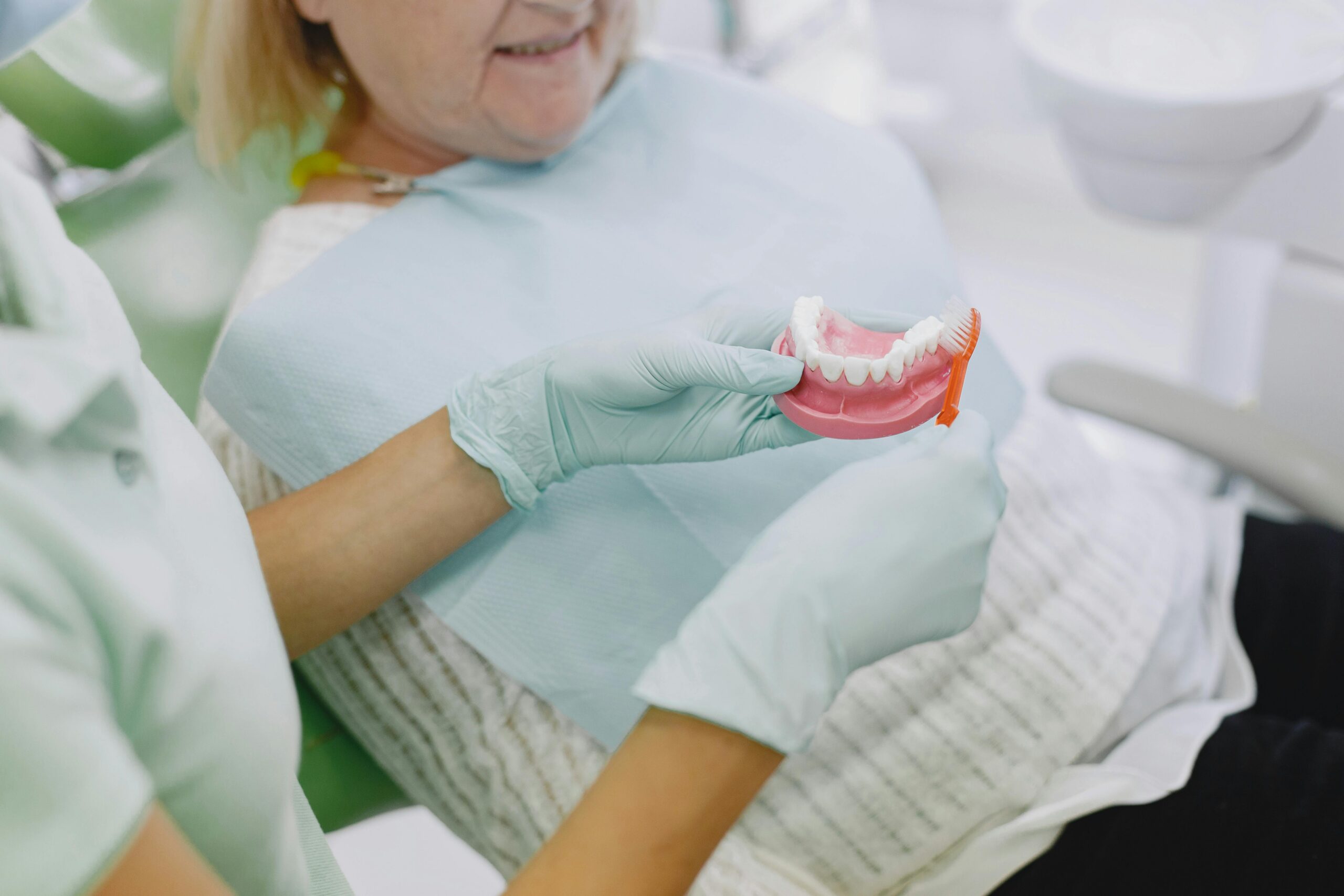
Dentures are built to withstand daily use, but like any dental appliance, they naturally experience wear over time. At our clinic, we help patients across Ottawa, Perth, Carleton Place, Smiths Falls, Kanata, Stittsville, and throughout Lanark County recognize the early signs of denture wear before they begin affecting comfort, function, and oral health.
Many patients assume dentures will continue functioning properly as long as they are not visibly broken. However, denture wear often develops gradually and can affect chewing ability, bite alignment, jaw comfort, and even facial support long before major damage becomes noticeable.
In this article, we explain the most common signs of denture wear and tear, why these changes happen, and how regular evaluations help maintain long-term comfort and stability.
Why Dentures Naturally Wear Over Time
Dentures are used every day for important activities such as:
- Chewing
- Speaking
- Smiling
- Supporting facial muscles
Over the years, repeated daily pressure gradually affects both the denture materials and how the dentures fit in the mouth.
Common causes of denture wear include:
- Natural chewing forces
- Jawbone changes
- Material aging
- Bite pressure imbalance
Even high-quality dentures require ongoing maintenance to continue performing properly.
Changes in Denture Fit
One of the earliest signs of denture wear is a gradual change in fit.
Patients may notice:
- Increased looseness
- Dentures shifting during meals
- Less suction or retention
- Greater reliance on adhesive
These changes are often linked to natural jawbone resorption and gum tissue changes rather than visible denture damage.
Patients across Ottawa and surrounding communities commonly experience these gradual fit changes over time.
Difficulty Chewing Certain Foods
As dentures wear down, chewing efficiency may decrease.
Patients may begin noticing:
- More effort while chewing
- Difficulty eating firmer foods
- Uneven chewing pressure
- Jaw fatigue during meals
Flattened denture teeth and bite imbalance are common contributors to these symptoms.
Chewing should feel stable and comfortable — not tiring or frustrating.
Worn Denture Teeth
Over time, denture teeth naturally become flatter from daily use.
This wear can affect:
- Bite balance
- Jaw positioning
- Facial support
- Chewing efficiency
Worn denture teeth may also reduce the natural appearance of the smile.
Patients in Perth, Kanata, and Lanark County often notice improved comfort and function after worn dentures are adjusted or replaced.
Increased Gum Irritation
Dentures that no longer fit properly may place uneven pressure on the gums.
This can lead to:
- Redness
- Tender areas
- Sore spots
- Chronic irritation
Persistent irritation should never be ignored, as it may worsen over time if adjustments are not made.
Changes in Speech
Denture wear can affect how dentures move during speech.
Patients may notice:
- Clicking sounds
- Slight lisping
- Dentures shifting while talking
- Reduced confidence in conversations
These symptoms often indicate that fit or stability has changed.
Changes in Facial Appearance
Dentures help support the lips, cheeks, and overall facial structure.
As dentures wear down, patients may notice:
- Reduced cheek support
- Thinner-looking lips
- A more collapsed appearance around the mouth
- Increased wrinkles near the lips
These changes are often caused by worn bite surfaces and reduced vertical dimension.
Jaw Discomfort and Muscle Fatigue
Bite imbalance caused by worn dentures may place extra strain on the jaw muscles and joints.
This can contribute to:
- Jaw fatigue
- Headaches
- Muscle tension
- Discomfort while chewing
Balanced dentures help distribute pressure evenly and reduce strain.
Small Cracks and Structural Damage
Minor structural damage is another important sign of wear.
Patients should watch for:
- Tiny cracks
- Chips
- Rough surfaces
- Areas that feel thinner than before
Even small damage can weaken the denture structure over time.
Routine evaluations help detect these issues early before larger repairs are needed.
Increased Dependence on Adhesive
Using more adhesive than usual often signals that dentures are no longer fitting properly.
While adhesive can provide temporary support, it should not replace proper fit.
Excessive adhesive use may indicate:
- Loss of suction
- Gum changes
- Denture instability
Professional evaluation helps identify the underlying cause.
Why Regular Denture Evaluations Are Important
Routine maintenance appointments allow us to monitor:
- Denture wear
- Bite alignment
- Oral tissue health
- Stability and retention
Early detection helps prevent small problems from becoming larger issues.
Patients who attend regular checkups often maintain better long-term comfort and function.
The Role of Relines in Managing Wear
As gum tissues change, relines help restore proper contact between the dentures and the mouth.
Relines can:
- Improve stability
- Restore suction
- Reduce movement
- Improve chewing comfort
This simple procedure is often an effective solution for worn-fitting dentures.
Signs It May Be Time for a Denture Evaluation
Patients across Carleton Place, Smiths Falls, and surrounding areas should schedule an evaluation if they notice:
- Dentures feeling loose
- Difficulty chewing comfortably
- Increased irritation
- Changes in speech
- Dentures appearing worn or flatter
- Increased adhesive use
These signs often indicate normal wear that should be professionally assessed.
Long-Term Benefits of Early Care
Addressing denture wear early helps:
- Maintain comfort
- Improve chewing efficiency
- Protect oral tissues
- Extend denture lifespan
- Reduce the risk of major repairs
Preventive care is always more effective than waiting for problems to worsen.
Our Approach to Long-Term Denture Care
At Lima Denture and Implant Solutions, we focus on helping patients maintain comfortable, stable dentures through personalized long-term care. We proudly serve:
- Ottawa
- Perth
- Carleton Place
- Smiths Falls
- Kanata
- Stittsville
- Lanark County
Our approach emphasizes early detection, regular evaluations, and personalized solutions that support long-term comfort and confidence.
Final Thoughts
Denture wear and tear is a natural part of long-term denture use, but recognizing the signs early can help prevent larger problems from developing. Changes in fit, chewing ability, comfort, and appearance are important indicators that dentures may need adjustment or replacement.
With proper maintenance and regular evaluations, dentures can continue supporting daily comfort, function, and confidence for many years.
📞 Book a Denture Evaluation
If you are noticing changes in how your dentures feel or function, we are here to help.
📞 (613) 728-5532
🌐 www.dentureclinicottawa.com
✉️ limadentures@gmail.com
Lima Denture and Implant Solutions proudly serves Ottawa and surrounding communities.

