

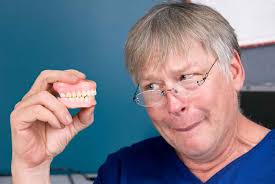
Your dentures should feel like a natural extension of you — comfortable, functional, and secure. But just like natural teeth, dentures go through normal wear and tear. Over time, subtle changes in your mouth’s shape, bone structure, and tissues can cause your dentures to lose their fit. When that happens, a denture reline or full replacement may be the key to restoring comfort and confidence.
At Lima Denture and Implant Solutions, we often remind patients that dentures aren’t meant to last forever. Even with the best care, most dentures need adjustment every few years. If you’re unsure whether it’s time for a reline or replacement, here are the top seven signs to watch for — and how to keep your smile at its best.
🦷 1. Your Dentures Feel Loose or Slippery
One of the earliest and most common signs is a change in how securely your dentures fit. If they slip when you talk or chew — or you find yourself relying heavily on adhesives — it’s time for an adjustment.
Your gums and jawbone gradually change over time, especially after tooth loss. As your bone resorbs (shrinks), the denture base may no longer fit the same way it once did.
A reline involves reshaping the underside of your denture to match your current mouth shape. It’s a cost-effective way to restore a snug, comfortable fit. However, if your dentures are older or visibly worn, a replacement may be a better long-term solution.
💬 2. You Notice Sore Spots or Irritation
If you’ve started noticing sore patches, redness, or small ulcers in your mouth, your dentures could be the cause. Ill-fitting dentures put uneven pressure on your gums and soft tissues, leading to irritation.
Ignoring the problem can lead to chronic inflammation and infections such as denture stomatitis. The longer you wait, the more difficult and painful adjustments become.
Tip: Never try to adjust dentures at home. Professional relining can reshape them precisely while protecting the delicate tissues underneath.
🍽️ 3. Difficulty Eating or Speaking Clearly
Are you avoiding certain foods because they’re hard to chew? Or have you noticed that your speech sounds slightly different — with words slurring or clicking noises when you talk?
These are clear signs that your dentures are no longer fitting properly. Over time, worn acrylic or misalignment between upper and lower dentures can make chewing difficult and cause embarrassing slips during conversation.
A reline can restore the balance between your bite and jaw movement. But if your dentures have thinned, cracked, or warped, it’s safer to replace them entirely to restore proper function.
🪞 4. Visible Wear, Cracks, or Stains
Just like natural teeth, dentures are exposed to constant pressure, temperature changes, and staining from food and drinks. Over years of use, the acrylic material begins to degrade.
Here’s what to look for:
- Small cracks or chips in the base or teeth
- Dull or discoloured surfaces that no longer polish up
- Flattened chewing surfaces that make eating harder
Damaged dentures can harbour bacteria and even cause bad breath. If they’ve lost their shine or show visible wear, it’s likely time for a new set — ensuring a cleaner, brighter, and more natural-looking smile.
😬 5. Changes in Facial Appearance
Many patients are surprised to learn that ill-fitting dentures can actually change their facial appearance.
When dentures no longer support your facial muscles properly, you might notice:
- Sunken cheeks or a collapsed appearance around your mouth
- Wrinkles forming around the lips
- A shorter distance between your nose and chin (due to bone loss)
These changes can make you look older than you are. A professionally relined or new denture restores proper alignment, supports your facial muscles, and brings back your youthful profile.
💤 6. Frequent Slippage or Clicking Noises
Do your dentures click or shift when you speak, laugh, or chew? That’s a sure sign they’ve loosened or warped over time.
This happens naturally as your mouth tissues adapt, but it’s also a safety concern — loose dentures can cause embarrassment or even choking hazards if they shift unexpectedly.
A soft reline can help restore comfort for sensitive gums, while a hard reline is more durable and better for those seeking a longer-lasting fix. If you’ve had your dentures for over five years, however, a replacement will likely give you a better fit and smoother function.
🕰️ 7. Your Dentures Are More Than 5 Years Old
Even if your dentures seem fine, age alone is a good reason to check in. Most high-quality dentures last about 5 to 7 years before needing to be replaced.
Over time, microscopic wear, gum shrinkage, and natural changes in jaw shape mean even the best-maintained dentures will no longer function as intended.
At Lima Denture and Implant Solutions, we recommend a professional exam every year — and a full replacement at least once per decade for the best comfort and oral health.
⚙️ Reline vs. Replacement: How to Decide
Here’s a quick comparison to help you decide which option is right for you:
| Situation | Best Option | What It Involves |
|---|---|---|
| Dentures are loose but in good condition | Reline | Adds new acrylic to the fitting surface for better suction and stability |
| Dentures cause soreness or irritation | Reline or Soft Reline | Reshapes the interior surface to cushion sensitive gums |
| Dentures are cracked, worn, or stained | Replacement | A brand-new denture with updated shape and colour |
| More than 5 years old with visible wear | Replacement | Ensures accurate fit and natural appearance |
Relining is a great short-term solution for minor adjustments, while replacement is a better investment when wear and tear are significant.
🌟 Why You Shouldn’t Delay
Delaying a reline or replacement can cause:
- Increased bone loss in your jaw
- Gum soreness or infections
- Difficulty eating properly
- Changes in your facial appearance
- Higher long-term costs from damage or re-fabrication
Your oral health and comfort are worth protecting. A well-fitting denture isn’t just about function — it’s about confidence, wellbeing, and enjoying life without restriction.
🧼 Tips to Extend the Life of Your Dentures
Between relines or replacements, you can keep your dentures in top shape by:
- Cleaning them daily with a soft brush and non-abrasive cleanser
- Soaking them overnight in a professional denture solution
- Avoiding boiling water, which can warp acrylic
- Handling them over a towel or sink to prevent breakage if dropped
- Visiting your denturist at least once a year for a professional check-up
With regular maintenance and gentle care, your dentures can stay fresh and comfortable for years.
🏁 The Bottom Line
Dentures are designed to restore your smile and make everyday life easier — but they need regular attention to do their job well. If you’ve noticed looseness, discomfort, or visible wear, it’s time to schedule an evaluation. Whether you need a simple reline or a complete replacement, professional care ensures your dentures fit perfectly and your confidence shines.
📞 Call-to-Action
Your smile deserves comfort, security, and confidence. If your dentures are starting to feel different — or you can’t remember your last adjustment — let’s get you back to feeling your best.
Contact Lima Denture and Implant Solutions today to schedule your denture check-up or reline consultation.
📍 Perth Denture Clinic
Phone: (613) 264-5452
Email: limadentures@gmail.com
Website: dentureclinicottawa.com

