

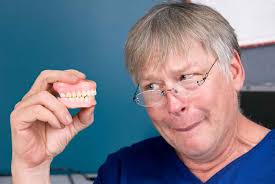
Tooth loss is often talked about in practical terms — chewing, speaking, appearance. But what I’ve learned through years of working with patients across Ottawa, Perth, Carleton Place, Smiths Falls, Kanata, Stittsville, and throughout Lanark County is that the emotional impact of tooth loss is just as significant as the physical one.
Many people never say it out loud, but they feel it deeply. The loss of teeth can affect how you see yourself, how comfortable you feel around others, and how confident you are in everyday situations. February, in particular, tends to bring these feelings to the surface. Winter is quieter, more reflective, and often more isolating — which gives people time to notice what hasn’t felt right for a while.
In this blog, I want to talk openly about the emotional side of tooth loss, why it’s so common, and how properly fitted dentures can help restore not just function — but confidence, comfort, and a sense of self.
Why Tooth Loss Affects More Than Just Your Smile
Teeth are a visible part of who we are. They play a role in how we:
- Smile
- Speak
- Laugh
- Express emotion
- Interact socially
When teeth are lost, many people experience feelings they didn’t expect:
- Embarrassment
- Self-consciousness
- Grief
- Frustration
- Anxiety in social settings
These feelings don’t mean you’re vain or overly focused on appearance. They’re a natural response to a change in something deeply personal.
Common Emotional Experiences I Hear From Patients
Patients often open up to me gradually. At first, they may talk about discomfort or difficulty eating. Over time, the emotional side comes out.
I frequently hear things like:
- “I don’t smile the way I used to.”
- “I avoid photos now.”
- “I feel older than I am.”
- “I don’t like eating in front of people.”
- “I feel nervous when I talk.”
- “I just don’t feel like myself anymore.”
These experiences are incredibly common — and they matter.
How Tooth Loss Can Change Daily Behavior
The emotional impact of tooth loss often shows up in subtle ways.
People may:
- Avoid social gatherings
- Decline invitations involving food
- Speak less in groups
- Cover their mouth when laughing
- Choose isolation over embarrassment
Over time, these changes can affect mental health, relationships, and overall wellbeing.
Why February Is a Time When These Feelings Intensify
February can be emotionally challenging for many reasons:
- Shorter days
- Less social activity
- Cold weather keeping people indoors
- More time for reflection
For denture wearers or those struggling with tooth loss, this quiet time can amplify feelings of dissatisfaction or frustration. It’s often when people realize they’ve been “getting by” instead of feeling truly comfortable or confident.
Dentures Are Not Just About Replacing Teeth
I always tell my patients: dentures are about restoring quality of life.
When designed and fitted properly, dentures:
- Restore facial structure
- Improve speech clarity
- Allow comfortable eating
- Support natural expressions
- Help people feel like themselves again
The emotional relief that comes with well-fitting dentures is something I see every day.
How Proper Denture Fit Impacts Confidence
Confidence doesn’t come from dentures alone — it comes from how they feel and function.
When dentures fit properly:
- You’re not worried about movement
- You don’t think about them constantly
- Speaking feels natural
- Eating feels comfortable
- Smiling feels effortless
That sense of ease allows confidence to return naturally.
Facial Support and Self-Image
One of the most emotional changes patients notice after getting properly fitted dentures is facial support.
Tooth loss and worn dentures can lead to:
- Sunken cheeks
- Thinner lips
- A collapsed bite
- An aged appearance
Modern dentures restore:
- Lip support
- Cheek fullness
- Proper bite height
Many patients are surprised when they look in the mirror and feel like they recognize themselves again.
The Relief of Not Having to Worry
One of the biggest emotional burdens of poorly fitting dentures is constant worry:
- “Will they slip?”
- “Will people notice?”
- “Will I sound strange?”
- “Can I eat this safely?”
When dentures are stable and comfortable, that mental load disappears. Patients often tell me they didn’t realize how much stress they were carrying until it was gone.
Why Confidence Often Returns Gradually
Confidence doesn’t usually come back all at once. It builds as people:
- Smile more
- Speak more freely
- Eat comfortably
- Re-engage socially
Each positive experience reinforces the next. This is why follow-up care and proper adjustments are so important — they support both physical and emotional comfort.
My Approach to Supporting Emotional Wellbeing
I understand that tooth loss and dentures can be sensitive topics. My approach is always:
- Respectful
- Patient
- Honest
- Supportive
I take the time to listen to concerns that go beyond fit or function, because emotional comfort matters just as much as physical comfort.
Why No One Should Feel Ashamed About Dentures
Tooth loss happens for many reasons:
- Genetics
- Medical conditions
- Medications
- Accidents
- Gum disease
- Aging
None of these are moral failures. Dentures are a healthcare solution — not something to hide or feel embarrassed about.
Many confident, active people across Ottawa and Perth wear dentures and live full, vibrant lives.
How Dentures Support Emotional Health Long-Term
When dentures are comfortable and reliable, patients often experience:
- Improved self-esteem
- Reduced anxiety
- Better social engagement
- Improved mood
- Greater willingness to try new activities
Feeling comfortable in your own smile affects how you show up in the world.
Signs It May Be Time to Revisit Your Dentures
You may benefit from a denture evaluation if:
- You avoid smiling or laughing freely
- You feel self-conscious when speaking
- You worry about dentures shifting
- You don’t feel like yourself anymore
- Your dentures are several years old
- Your confidence has slowly declined
These are valid reasons to seek care — not vanity.
Why February Is a Good Time to Take This Step
February is not just about surviving winter — it’s about preparing for what comes next.
Addressing denture comfort and confidence now allows you to:
- Feel better emotionally
- Rebuild confidence before spring
- Enjoy social activities again
- Enter the rest of the year feeling stronger
It’s an act of self-care that can make a meaningful difference.
My Message to Patients Across Ottawa & Perth
If tooth loss or uncomfortable dentures have affected how you feel about yourself, please know this: you are not alone, and you are not overreacting.
Your feelings are valid. Confidence matters. Comfort matters. And help is available.
You deserve dentures that support not just your smile — but your sense of self.
Final Thoughts
The emotional impact of tooth loss is real, but it doesn’t have to be permanent. With proper denture care, fit, and support, confidence can return — often more fully than people expect.
If you’ve been feeling disconnected from your smile or yourself, February can be the right time to make a change. Small improvements can lead to big emotional relief.
You deserve to feel comfortable, confident, and at ease — every day.
📞 Call-to-Action
If tooth loss or denture discomfort has been affecting your confidence or wellbeing, I’m here to help.
Book a professional denture consultation with Lima Denture and Implant Solutions, and let’s work toward restoring your comfort and confidence.
📞 (613) 728-5532
🌐 www.dentureclinicottawa.com
✉️ limadentures@gmail.com

