

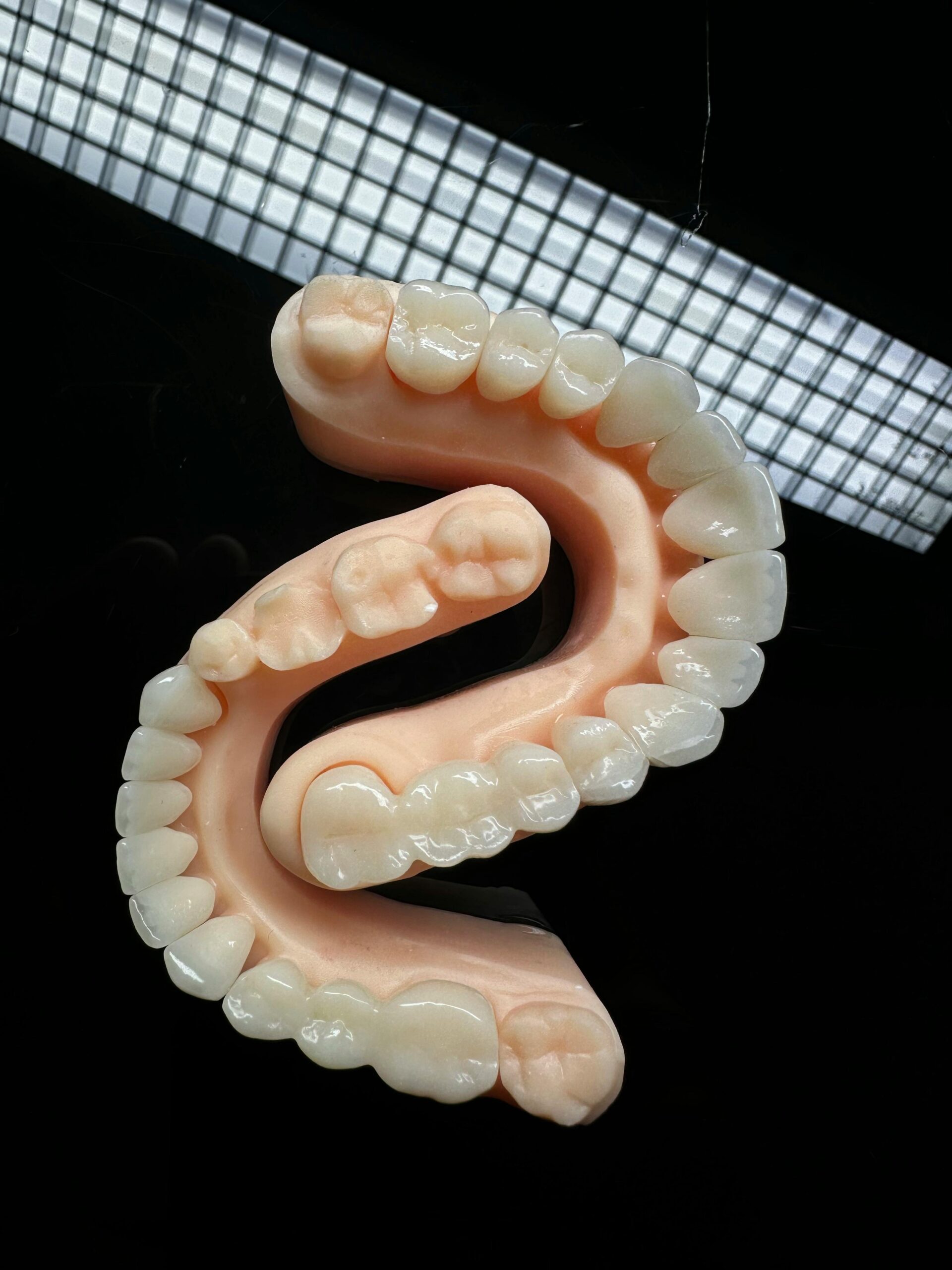
Just like glasses or hearing aids, dentures don’t last forever. Over time, they can wear down, loosen, or no longer fit the way they should. For seniors in Nepean, recognizing the signs early can make a big difference in comfort, health, and confidence.
Here’s a helpful checklist to know when it may be time to replace your dentures:
✅ Your dentures feel loose or unstable
If your dentures slip or shift when you talk or eat, it’s a clear sign they may no longer fit properly.
✅ You notice cracks, chips, or wear
Even small cracks can affect how well dentures work and may lead to irritation or infections if left untreated.
✅ You experience sore spots or discomfort
Dentures should fit comfortably. If you’re noticing pain, irritation, or pressure points, it’s time for an adjustment—or replacement.
✅ You’re having trouble speaking or chewing
When dentures no longer function as they should, everyday tasks like eating or holding a conversation become frustrating.
✅ They look worn or unnatural
Dentures play a huge role in your smile and facial support. If they appear worn or no longer look natural, a new set can restore your confidence.
✅ It’s been 5–7 years since your last pair
On average, dentures should be replaced every 5–7 years to ensure proper fit, function, and aesthetics.
👉 If your dentures check off any of these signs, it’s time to book an appointment.

