

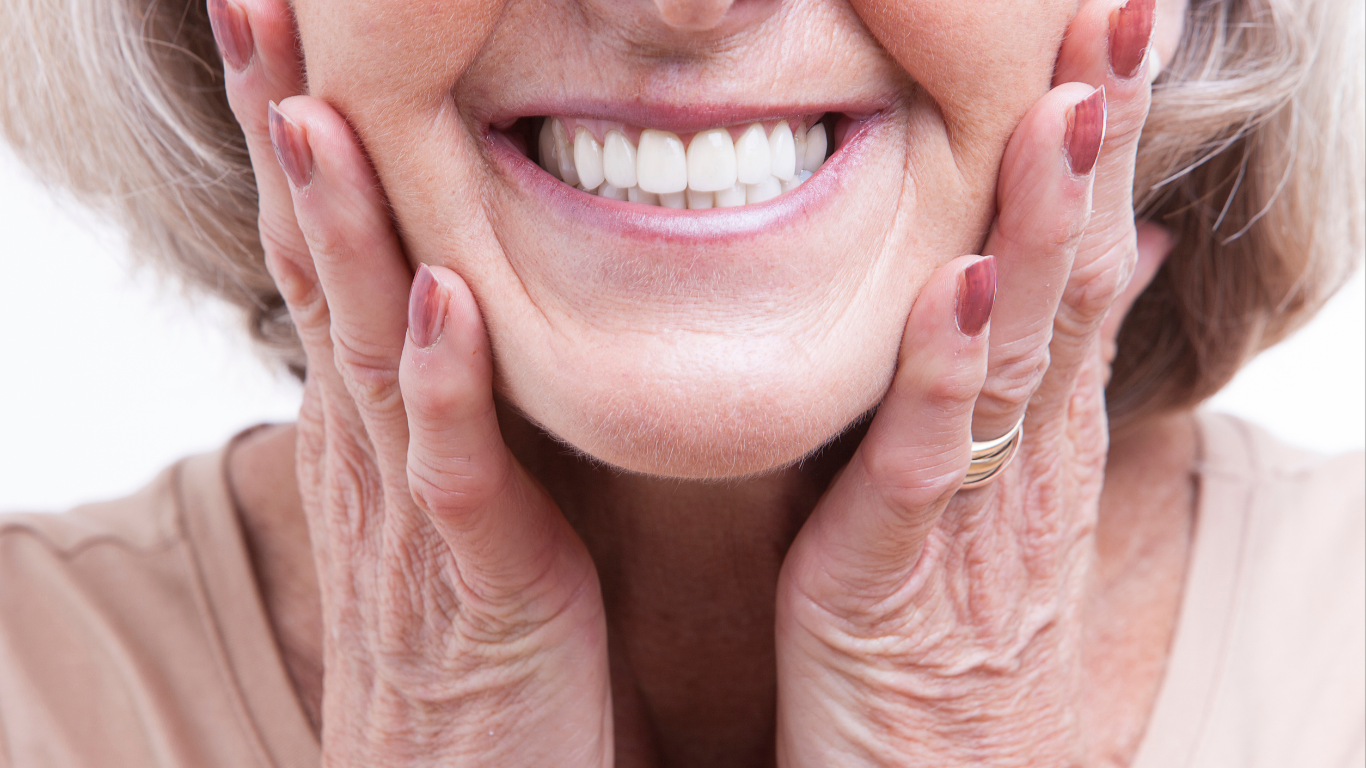
A denture that once felt secure can gradually begin to feel different. It may shift slightly during a meal, allow more food underneath, or require more effort to keep stable while speaking. Because these changes often develop slowly, many denture wearers adapt without realizing how much their fit has changed.
One option that may be considered in certain situations is a denture reline.
A reline does not automatically mean replacing an existing denture. Instead, it involves modifying the surface of the denture that rests against the oral tissues so it better corresponds with the current shape of the mouth. Whether a reline is appropriate depends on the condition of the denture, the patient’s oral tissues, bite relationships, and several other factors.
At Lima Denture and Implant Solutions, we help patients throughout Ottawa, Perth, Carleton Place, Smiths Falls, Kanata, Stittsville, Lanark County, and surrounding communities understand their denture care options. Knowing why fit changes and when a reline may be considered can help patients seek professional care before looseness begins interfering significantly with everyday life.
Why Can Dentures Become Loose?
When dentures are first made, they are designed according to the shape of the patient’s mouth at that time.
The mouth, however, continues to change.
After natural teeth are lost, changes can occur in the bone and gum tissues that support dentures. The extent and rate of these changes vary among patients, but over time the denture may no longer correspond as closely with the tissues beneath it.
The denture itself may not have changed dramatically. It may not be cracked or visibly damaged. Yet the relationship between the denture and the mouth can be different.
This is one reason a previously comfortable denture may gradually become less stable.
What Exactly Is a Denture Reline?
A denture reline focuses on the tissue-facing surface of an existing denture.
When appropriate, material is added or replaced in this area so that the denture better corresponds with the current contours of the supporting tissues.
The purpose is generally to improve the relationship between the denture base and the mouth.
Depending on the individual case, this may help improve:
- Fit
- Retention
- Stability
- Comfort
A reline does not necessarily change every part of the denture.
The existing denture teeth and much of the original appliance may remain, which is why the overall condition of the denture needs to be carefully assessed before relining is recommended.
A Reline Is Different from an Adjustment
Patients sometimes use the words “adjustment” and “reline” interchangeably, but they describe different procedures.
An adjustment generally involves modifying a specific area of the denture to address a localized concern, such as an area creating excessive pressure.
A reline involves changing the internal surface that contacts the oral tissues more broadly.
The appropriate treatment depends on what is causing the problem.
If one small area is uncomfortable, an adjustment may be considered. If the denture has become generally loose because the shape of the supporting tissues has changed, a reline may be one option.
Professional assessment is needed to distinguish between these situations.
Small Signs Can Appear Before Major Looseness
A denture does not need to fall out before fit deserves attention.
Early signs can be subtle.
Patients may notice:
- Slight movement during chewing
- Food collecting underneath more often
- Increased adhesive use
- A feeling that the denture no longer “sits” the same way
- Reduced confidence with certain foods
- Minor recurring irritation
These changes can easily become part of the patient’s routine.
Someone in Ottawa or Kanata may simply begin applying more adhesive each morning without considering why more is suddenly necessary.
Changes in daily habits can sometimes be the earliest clue that denture fit should be evaluated.
Food Under the Denture Can Signal a Changing Relationship
Many denture wearers occasionally experience food particles beneath their dentures.
However, a noticeable increase can be worth mentioning during an assessment.
When the relationship between the denture and supporting tissues changes, there may be more opportunity for food to move beneath the appliance during meals.
Patients may find themselves:
- Rinsing dentures more frequently
- Excusing themselves during meals
- Avoiding foods with small particles
- Becoming uncomfortable while dining socially
Rather than simply adapting, patients can have the fit professionally assessed to determine whether changes in the supporting tissues may be contributing.
Increasing Adhesive Use Deserves Attention
Denture adhesive can have an appropriate role for some patients when used according to directions.
However, adhesive should not become the only response to progressively changing denture fit.
A patient who once used very little adhesive may gradually begin applying larger amounts simply to achieve the same sense of security.
That change provides useful information.
Patients throughout Perth and Carleton Place who notice a significant increase in adhesive dependence should consider scheduling an assessment rather than continuously adding more.
A professional evaluation can help determine why stability has changed.
A Reline May Help with Stability in Appropriate Cases
When an existing denture is otherwise suitable but no longer corresponds closely with the oral tissues, relining may sometimes help restore a closer relationship.
Improved adaptation may contribute to better stability during activities such as:
- Speaking
- Smiling
- Chewing
- Swallowing
- Everyday social interaction
However, relining is not a universal solution for every loose denture.
If significant problems exist with the denture teeth, bite, structure, or overall condition, another approach may be more appropriate.
This is why assessment comes before treatment.
Not Every Old Denture Is a Good Candidate for Relining
Patients understandably want to keep familiar dentures for as long as possible.
However, improving the tissue surface does not correct every type of denture wear.
Before recommending a reline, several factors need to be considered.
These may include:
- Condition of the denture base
- Amount of denture tooth wear
- Bite relationships
- Structural integrity
- Current fit
- Oral tissue health
- Overall function
If the artificial teeth are severely worn, the denture is repeatedly breaking, or other significant concerns exist, improving the internal fit alone may not provide the desired result.
The Bite Still Matters
A denture can fit more closely against the gums and still have functional concerns if the upper and lower teeth no longer meet appropriately.
Artificial denture teeth experience normal wear over time.
Changes in the oral tissues may also influence how the dentures sit during function.
Patients may notice:
- One side touching first
- Rocking during chewing
- Difficulty finding a comfortable closing position
- Uneven pressure
- Reduced chewing efficiency
These observations need to be considered when deciding whether relining is appropriate.
At Lima Denture and Implant Solutions, denture fit is considered together with bite relationships and everyday function rather than as an isolated issue.
Oral Tissues Need to Be Examined
The condition of the mouth beneath the denture is equally important.
If oral tissues are irritated, inflamed, or otherwise concerning, those findings need appropriate attention.
Persistent sore areas should not simply be covered by modifying the denture without understanding why they are present.
Professional assessment provides an opportunity to evaluate both the denture and the tissues supporting it.
Patients in Smiths Falls, Stittsville, and Lanark County who experience persistent irritation should seek professional advice rather than attempting to tolerate the problem indefinitely.
A Reline and a Repair Are Not the Same Thing
A reline is also different from a denture repair.
A repair addresses damage such as certain fractures, cracks, or damaged components when repair is appropriate.
A reline focuses on the relationship between the denture’s tissue-facing surface and the mouth.
A denture can potentially need one without needing the other.
In some situations, multiple concerns may exist at the same time, making professional assessment especially important.
Why Timing Matters
Patients sometimes wait until dentures become extremely loose before seeking care.
Earlier evaluation can be beneficial because it allows the entire situation to be assessed before the patient develops extensive compensation habits.
For example, a person with changing fit may begin:
- Chewing only on one side
- Avoiding certain foods
- Using excessive adhesive
- Moving the jaw differently
- Limiting social meals
Once these behaviours become routine, the patient may forget that eating used to feel easier.
Paying attention to early changes provides an opportunity to understand what is happening sooner.
Can Relining Make Dentures Feel Like New?
A reline may improve the fit of an appropriate existing denture, but patients should have realistic expectations.
It does not automatically make an older denture equivalent to a completely new appliance.
A reline generally does not reverse significant wear of the denture teeth or correct every possible issue involving appearance, bite, or structural condition.
Its usefulness depends heavily on the starting condition of the denture.
Professional guidance helps patients understand what a reline may reasonably accomplish in their individual situation.
Why DIY Reline Products Require Caution
Patients may encounter products marketed for modifying denture fit at home.
Changing the internal surface of a denture without professional assessment can create problems.
An improperly modified surface may affect:
- Pressure distribution
- Stability
- Bite relationships
- Comfort
- Oral tissues
It may also make professional evaluation or future treatment more complicated.
If a denture has become loose, the safest approach is to determine why before changing it.
Does a Loose Denture Always Need a Reline?
No.
Looseness can occur for different reasons.
Depending on the findings, professional recommendations might involve:
- An adjustment
- A reline
- Repair
- Monitoring
- Replacement
- Another appropriate course of care
The patient’s description of the problem is only one part of the assessment.
The condition of the denture and mouth needs to be evaluated before deciding which option is most appropriate.
Signs It May Be Time for a Denture Fit Assessment
Patients do not need to determine for themselves whether they need a reline.
Instead, they can watch for changes that indicate an assessment may be helpful.
These include:
- Dentures moving more than before
- Increased adhesive use
- Food frequently collecting underneath
- New or recurring pressure areas
- Reduced chewing confidence
- Changes in speech associated with denture movement
- A denture that no longer feels closely adapted to the mouth
If these changes persist, professional evaluation can help determine what is happening.
Regular Assessments Help Patients Plan Ahead
One advantage of routine denture care is that it allows patients to discuss changes before they become urgent.
A professional assessment may identify gradual changes in fit, tooth wear, or oral tissues that the patient has not yet noticed.
This provides an opportunity to discuss possible future needs and make informed decisions rather than waiting for a sudden problem.
For denture wearers throughout Ottawa, Perth, Carleton Place, Smiths Falls, Kanata, Stittsville, and Lanark County, proactive assessment can make long-term denture care easier to understand and manage.
Personalized Care Matters
There is no universal denture maintenance schedule or treatment that applies perfectly to every patient.
Two people may have dentures of similar age but completely different needs.
One patient’s denture may remain in good condition while changes in oral tissues affect the fit. Another may have significant tooth wear even though the denture still feels relatively stable.
At Lima Denture and Implant Solutions, we consider each patient’s:
- Current dentures
- Oral tissues
- Comfort
- Bite
- Stability
- Everyday function
- Individual concerns
This personalized approach helps determine which options may be appropriate rather than automatically recommending the same treatment for everyone.
Serving Denture Wearers Across Ottawa and Surrounding Areas
Changes in denture fit can affect everyday routines in surprisingly significant ways.
Patients may stop enjoying certain meals, become concerned about speaking in public, or worry that their dentures will move during social occasions.
These experiences matter.
We proudly provide personalized denture care for patients throughout Ottawa, Perth, Carleton Place, Smiths Falls, Kanata, Stittsville, Lanark County, and surrounding communities.
Our goal is to help patients understand what has changed and what professional options may support more comfortable and dependable denture function.
Final Thoughts
A denture reline can be a valuable option in appropriate circumstances, but it is not simply a quick fix for every loose denture.
Changes in fit may result from evolving oral tissues, while other concerns may involve worn denture teeth, bite relationships, damage, or the overall condition of the appliance.
Understanding these differences is important.
Patients who notice increasing movement, food collecting underneath their dentures, greater adhesive use, recurring irritation, or reduced confidence while eating do not need to wait until their dentures become extremely loose.
A professional assessment can help identify the cause and determine whether a reline, adjustment, repair, replacement, or another approach may be appropriate.
Knowing the options before denture fit becomes a major problem can help patients make informed decisions about their long-term oral care.
Schedule a Professional Denture Fit Assessment
If your dentures are beginning to feel looser, require more adhesive, or no longer feel as secure during everyday activities, Lima Denture and Implant Solutions is here to help.
We provide personalized assessments to evaluate denture fit, stability, bite relationships, oral tissues, and overall condition before discussing appropriate options.
Phone: (613) 728-5532
Website: www.dentureclinicottawa.com
Email: limadentures@gmail.com
We proudly serve patients throughout Ottawa, Perth, Carleton Place, Smiths Falls, Kanata, Stittsville, Lanark County, and surrounding communities.
Schedule a consultation today to learn whether a denture reline or another personalized solution may help restore a more comfortable and dependable fit.

