

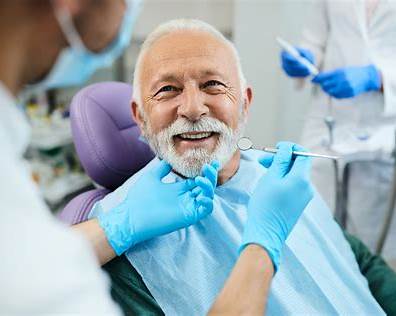
When dentures begin to feel different, it is understandable for patients to wonder whether they need an entirely new set. Perhaps the dentures feel slightly looser than before. Maybe food has started collecting underneath them, a small sore spot has appeared, or the smile simply does not feel quite the same.
These changes can be frustrating, particularly when the dentures have served the patient well for years. However, a change in comfort or function does not automatically mean replacement is the only option.
At Lima Denture and Implant Solutions, we help patients throughout Ottawa, Perth, Carleton Place, Smiths Falls, Kanata, Stittsville, Lanark County, and surrounding communities understand what may be happening when their dentures begin to feel different. Depending on the condition of the dentures, the supporting tissues, and the nature of the concern, professional adjustments, relining, repairs, monitoring, or replacement may be considered.
The important first step is determining what has changed.
Your Mouth Continues to Change After You Receive Dentures
Dentures are created to fit the mouth at a particular point in time, but the mouth does not remain exactly the same forever.
After natural teeth are lost, the bone and gum tissues that support dentures can gradually change. These changes are normal and vary from person to person.
As the supporting structures evolve, a denture that once fit closely may eventually feel different.
Patients may begin noticing:
- Slight movement
- Reduced stability
- Changes in chewing
- New pressure areas
- Food collecting beneath the denture
- Greater reliance on adhesive
None of these symptoms alone determines what treatment is needed.
They simply indicate that a professional assessment may be worthwhile.
Small Changes Can Feel Surprisingly Significant
Dentures interact with sensitive oral tissues every day.
Because of this, even a relatively small change in fit can feel significant to the person wearing them.
A patient may say:
“My dentures suddenly feel too big.”
“They move when I eat.”
“My smile feels different.”
“I have to think about them all the time now.”
These descriptions are valuable because they reveal how the dentures are behaving outside the clinic.
At Lima Denture and Implant Solutions, we encourage patients to explain these everyday experiences. Understanding what feels different can help guide a more thorough assessment.
Sometimes an Adjustment May Be Appropriate
Not every denture concern requires major treatment.
In some situations, a professional adjustment may help address a localized area of discomfort or another specific issue.
Adjustments must be performed carefully because changing one part of a denture can affect how it interacts with the surrounding tissues or opposing teeth.
Patients should therefore avoid attempting to file, sand, bend, or reshape dentures themselves.
Professional evaluation helps determine whether an adjustment is appropriate and where any modification should be made.
For patients in Ottawa and Kanata, seeking advice when a small problem first develops may help prevent weeks of unnecessary discomfort or compensation.
A Reline May Sometimes Improve the Fit
When the shape of the gums and supporting tissues changes, there may be a difference between the inside surface of the denture and the mouth beneath it.
In appropriate situations, a denture reline may be considered.
A reline modifies the tissue-facing portion of an existing denture to better correspond with the current shape of the mouth.
Depending on the individual case, this may help improve aspects such as:
- Fit
- Stability
- Retention
- Comfort
However, relining is not appropriate for every denture.
The overall condition of the denture, tooth wear, bite relationships, age of the prosthesis, and oral tissues all need to be considered.
A professional assessment is therefore necessary before deciding whether a reline is a suitable option.
A Repair May Address Certain Types of Damage
Dentures can occasionally become damaged through accidents or everyday wear.
A denture might develop:
- A crack
- A fractured area
- A damaged tooth
- Another structural concern
Depending on the nature and extent of the damage, professional repair may sometimes be possible.
Patients should avoid household glues or DIY repair kits. Products not designed for professional denture repair may damage the appliance, alter its fit, or make subsequent professional treatment more difficult.
A damaged denture should be professionally assessed so the appropriate solution can be determined.
When the Denture Is Fine but the Mouth Has Changed
An interesting situation occurs when the denture itself remains in relatively good condition but no longer corresponds as closely with the mouth beneath it.
This illustrates why denture care is not simply about inspecting the appliance.
A professional assessment also considers the supporting oral tissues.
Patients throughout Perth and Carleton Place may have dentures that look almost unchanged from the outside while experiencing increasing movement during meals.
In these situations, understanding the relationship between the denture and the current oral anatomy is essential.
Bite Changes Need to Be Considered Too
Fit is only one part of denture function.
The way upper and lower denture teeth meet also matters.
Over time, artificial teeth can wear, and changes in the supporting tissues may alter the position of the dentures during function.
Patients may begin noticing:
- One side contacting first
- Difficulty finding a comfortable bite
- Rocking during meals
- Uneven chewing
- Increased effort when processing food
Simply improving how a denture fits against the gums may not address every concern if significant changes in the bite are also present.
This is why the entire denture system needs to be evaluated.
Denture Tooth Wear Can Influence the Decision
A denture may still fit reasonably well while its artificial teeth have experienced considerable wear.
Worn denture teeth can affect:
- Chewing efficiency
- Bite relationships
- Smile appearance
- Facial support
- Overall function
If wear is advanced, maintaining the existing denture may not always provide the best long-term solution.
Conversely, a relatively well-preserved denture with a specific fit concern may have different options.
Professional assessment helps distinguish between these situations.
Appearance Changes Don’t Always Tell the Whole Story
Patients sometimes seek help because their smile looks different.
They may notice:
- Less tooth display
- Reduced lip support
- A change in facial proportions
- A smile that seems flatter than before
These changes can result from a combination of factors, including denture tooth wear, changes in fit, and natural changes in facial and oral structures.
Appearance should therefore be considered alongside function.
At Lima Denture and Implant Solutions, we look at how dentures support both everyday activities and the overall smile rather than focusing on one feature in isolation.
Food Under the Denture Can Be a Useful Clue
Occasional food particles can find their way beneath dentures, but a noticeable increase may be worth discussing.
Changes in fit or stability may influence how food moves around the denture during meals.
Patients may notice that they need to:
- Remove and rinse dentures more frequently
- Stop during meals
- Avoid certain foods
- Use more adhesive
Rather than simply accepting the inconvenience, a professional assessment can help determine whether denture fit or another factor has changed.
Patients throughout Smiths Falls and Lanark County who experience a persistent change in this area should consider arranging an evaluation.
More Adhesive Doesn’t Necessarily Mean Better Fit
Denture adhesive can have an appropriate role for some patients when used according to directions.
However, increasing adhesive use to compensate for dentures that have become progressively loose may mask a changing fit rather than address it.
If a patient suddenly needs substantially more adhesive than before, that change itself can be useful information.
The dentures and supporting tissues can be evaluated to determine why stability has changed and whether another approach may be appropriate.
When Replacement May Become the Better Option
Although not every change means starting over, there are situations where replacement may ultimately provide the more appropriate solution.
Factors that may influence this decision include:
- Significant denture tooth wear
- Extensive damage
- Substantial changes in fit
- Bite concerns
- Repeated repairs
- Changes in facial support
- Overall age and condition of the dentures
- Current oral anatomy
There is no universal age at which every denture must automatically be replaced.
Some dentures may require attention earlier than others because every patient uses and maintains their dentures differently.
Professional assessment allows the decision to be based on the individual situation.
Why Keeping Very Worn Dentures Indefinitely May Not Be Ideal
Patients often become attached to familiar dentures.
Even when dentures are worn, the patient knows exactly how they feel and may be reluctant to change.
Familiarity is understandable, but it is important to distinguish between being accustomed to a denture and having a denture that continues to function effectively.
Over time, patients may gradually adapt to:
- Reduced chewing efficiency
- A changing bite
- Increased movement
- Greater adhesive use
- Less facial support
Because these changes develop slowly, the patient may not realize how much function has been lost.
Routine professional assessments can help provide an objective perspective.
Why Professional Evaluation Comes Before the Solution
When a denture begins feeling different, the first question should not necessarily be, “Do I need new dentures?”
A more useful question is:
“What has changed?”
The answer may involve the denture, the oral tissues, the bite, or a combination of factors.
During a professional assessment, attention may be given to:
- Denture fit
- Stability
- Oral tissues
- Tooth wear
- Bite relationships
- Damage
- Patient comfort
- Everyday function
Once these factors are understood, appropriate options can be discussed.
Avoid Trying to Make Old Dentures Fit at Home
Loose or uncomfortable dentures can tempt patients to experiment with home solutions.
They may attempt to:
- File an uncomfortable area
- Add material to the denture
- Reshape the edges
- Repair cracks with household products
- Modify the teeth
These changes can damage the denture or alter its fit and bite.
Professional denture adjustments and repairs should be performed using appropriate materials and techniques.
If an existing denture may still be serviceable, preserving it correctly is particularly important.
Pay Attention to Changes Before They Become Major Problems
Denture wearers do not need to wait until a denture breaks or becomes impossible to wear before seeking professional advice.
Consider arranging an assessment when there is a persistent change in:
- Comfort
- Stability
- Chewing
- Speech
- Appearance
- Adhesive use
- Food collection
- Bite
- Gum irritation
Early evaluation helps patients understand their options before the problem becomes more disruptive.
For someone in Stittsville, Ottawa, or surrounding communities, a relatively small change may be easier to address when it is assessed promptly rather than after months of adaptation.
Existing Dentures May Still Have Options
One of the most reassuring things for patients to understand is that professional denture care is not automatically an all-or-nothing decision.
Depending on the circumstances, existing dentures may sometimes benefit from professional attention without immediate replacement.
The possibilities depend entirely on the individual case.
This personalized approach allows patients to understand:
- What has changed
- What condition the dentures are in
- Whether an adjustment may help
- Whether relining may be appropriate
- Whether repair is possible
- Whether replacement should be considered
Clear information helps patients make more informed decisions about their care.
Personalized Denture Care Across Ottawa and Surrounding Communities
At Lima Denture and Implant Solutions, we understand that denture needs evolve.
A patient who was completely comfortable several years ago may now have different oral anatomy, different functional needs, and different expectations.
We provide individualized denture assessments for patients throughout Ottawa, Perth, Carleton Place, Smiths Falls, Kanata, Stittsville, Lanark County, and surrounding communities.
Our approach considers the condition of the dentures together with the patient’s current oral tissues, comfort, function, and concerns.
The goal is not simply to recommend something new. It is to understand what is happening and discuss an appropriate path forward.
Final Thoughts
A changing smile does not automatically mean a denture wearer needs to start over.
Dentures and the mouth can change in different ways, and the appropriate response depends on what is causing the concern. In some cases, an adjustment, reline, repair, or monitoring may be appropriate. In others, replacing worn or outdated dentures may provide greater long-term benefit.
The key is professional evaluation.
Patients should pay attention when dentures begin feeling different, even if the change seems minor. Increased movement, food collection, sore areas, changes in the bite, reduced chewing ability, or greater adhesive use can all provide useful clues.
Rather than guessing which solution is needed, a personalized assessment can help determine what has changed and what options may best support comfortable everyday function.
Schedule a Personalized Denture Assessment
If your dentures no longer feel or function the way they once did, Lima Denture and Implant Solutions can help you understand your options.
Whether your existing dentures may benefit from an adjustment, reline, repair, or whether replacement should be considered, our team provides individualized recommendations based on your current needs.
Phone: (613) 728-5532
Website: www.dentureclinicottawa.com
Email: limadentures@gmail.com
We proudly provide denture care for patients throughout Ottawa, Perth, Carleton Place, Smiths Falls, Kanata, Stittsville, Lanark County, and surrounding communities.
Schedule a professional assessment today and discover what options may help your dentures feel comfortable and dependable again.

